
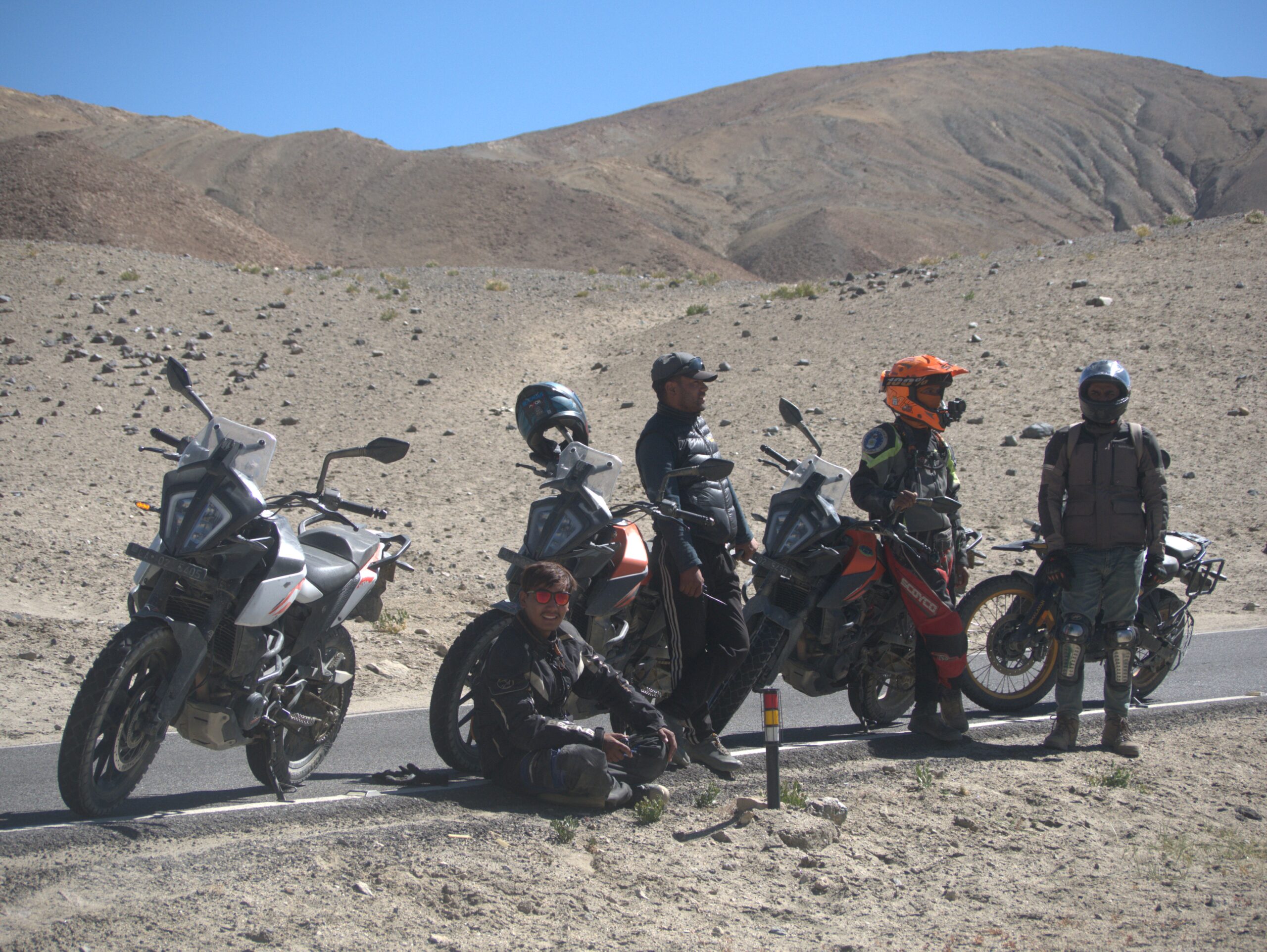
Everything Overseas Riders & Travelers Must Know Before Exploring the Himalayas
The Himalayas offer one of the world’s most thrilling motorcycle and 4×4 adventure travel experiences — from the dramatic high-altitude passes of Ladakh to the rugged valleys of Spiti and the scenic mountain roads of North East, Himachal, Uttarakhand and beyond.
But unlike regular road trips, riding in the Himalayas demands proper preparation. The terrain is unpredictable, weather conditions can change within minutes, and many routes pass through extremely remote regions with limited medical facilities, fuel stations, and connectivity.
Before we jump into the preparation checklist, let’s first understand what riding through the Himalayas truly feels like and what you can expect on this unforgettable journey.
What to Expect in the Himalayas
Weather Conditions
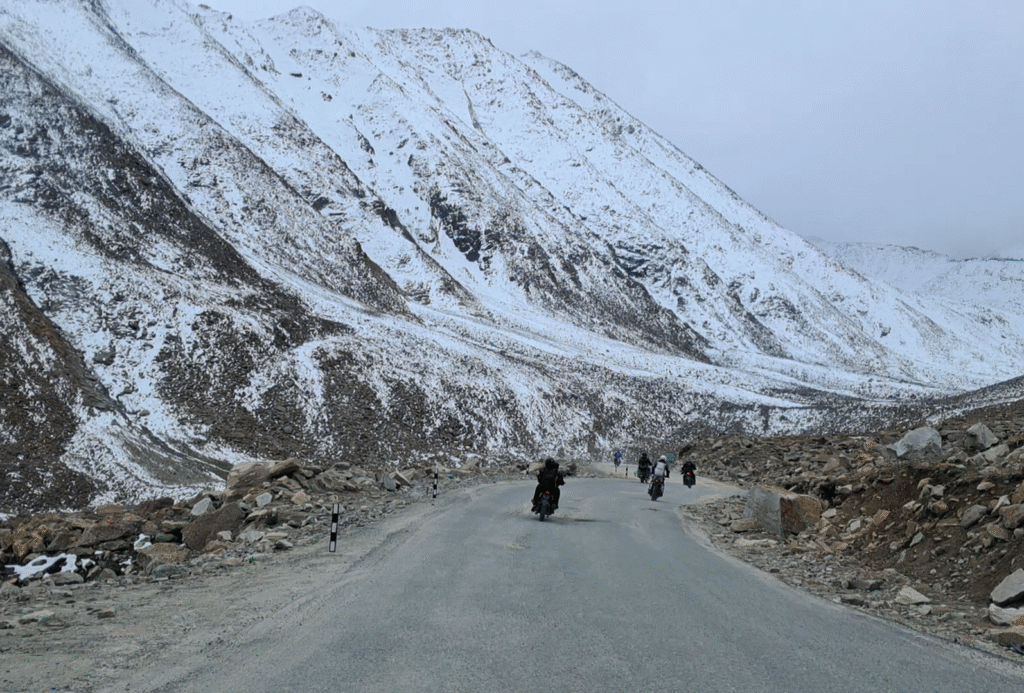
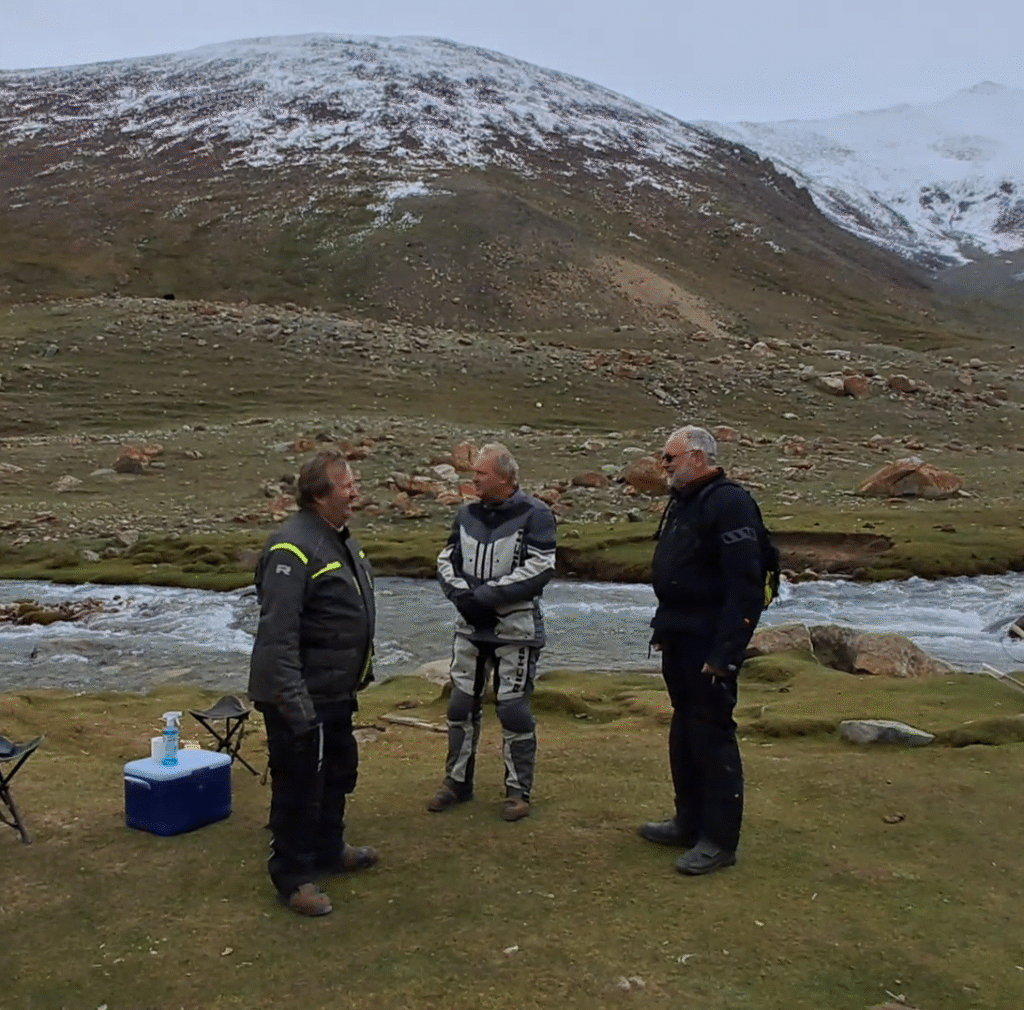
Weather in the Himalayas can be extremely dynamic and unpredictable, between May and October. Riders often experience bright sunshine, cold winds, rain showers, fog, and even snowfall — sometimes all within a single day. Daytime temperatures in lower valleys may feel pleasant and warm, while high mountain passes such as Khardung La, Chang La, or Baralacha La can become freezing cold even during peak summer months.
As the journey moves into higher altitudes, oxygen levels begin to decrease significantly, which can affect travelers who are not acclimatized. Some riders may experience symptoms of Acute Mountain Sickness (AMS) such as headaches, nausea, dizziness, fatigue, shortness of breath, or difficulty sleeping. Proper acclimatization, staying hydrated, avoiding overexertion, and listening to your body are extremely important while traveling in high-altitude Himalayan regions.
Rain & Snow fall during monsoon periods in regions like Ladakh, Himachal and Uttarakhand may also lead to slippery roads, landslides, water crossings, or temporary route closures. Carrying proper riding layers, waterproof gear, and essential medicines is absolutely important for staying safe and comfortable throughout the journey.
Understanding Himalayan Road & Riding Conditions
The roads of the Himalayas are a major part of the adventure itself. Unlike conventional highway touring routes seen in many western countries, Himalayan riding constantly challenges riders with changing terrain, unpredictable weather, and high-altitude conditions.
During the journey, riders should be prepared for a constantly evolving mix of smooth highways, broken mountain roads, gravel sections, dirt tracks, mud patches, sharp bends, river crossings, and high-altitude passes rising above 5,000 meters. In a single day, road conditions may shift dramatically from freshly paved tarmac to rugged mountain trails.
The region’s unpredictable weather further adds to the experience. Riders may encounter warm sunshine, freezing winds, rain showers, fog, or even snowfall depending on altitude and location. Cold mornings and near-freezing nights are common even during summer months between May and October.
Long riding hours, changing elevations, narrow mountain roads, limited fuel stations, remote stretches with minimal facilities, and patchy mobile connectivity can test both endurance and riding skills. Ongoing road construction and occasional landslides are also common in certain Himalayan sectors.
However, these very challenges are what make riding in the Himalayas one of the most rewarding motorcycle experiences in the world.
Patience, flexibility, and proper preparation are key to fully enjoying the adventure and embracing the spirit of the mountains.
Culture & Local Hospitality
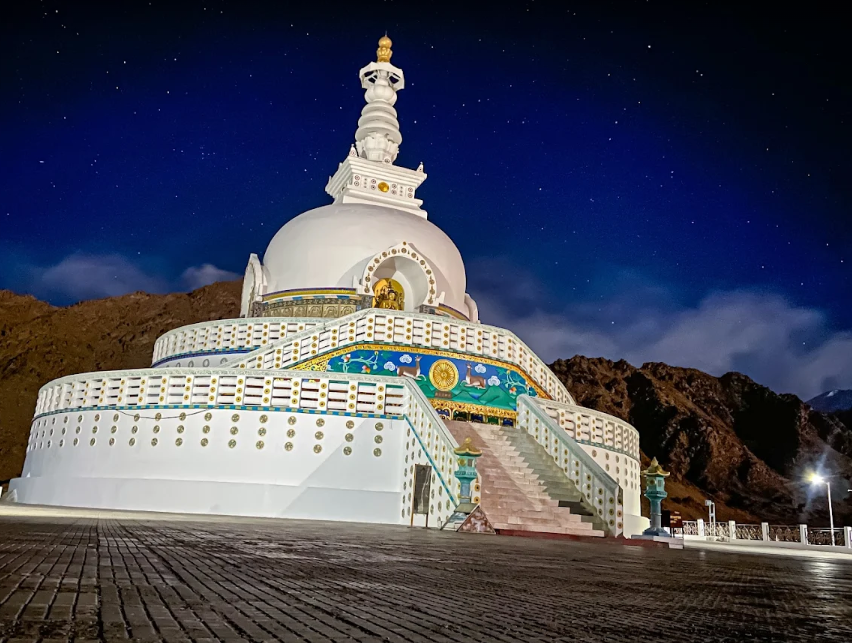
The Himalayas are not only known for dramatic landscapes but also for their rich culture, spirituality, and warm hospitality. As you travel through remote villages, monasteries, mountain towns, and local settlements, you’ll experience diverse traditions, local cuisines, prayer flags fluttering across valleys, peaceful monasteries, and welcoming locals who live simple yet resilient lives amidst harsh conditions. Respecting local customs, traditions, and the environment goes a long way in creating meaningful travel experiences and preserving the beauty of these regions.
Peace, Freedom & The Himalayan Experience
For many travellers, the Himalayas are far more than just a road trip destination — they are a personal journey. Endless mountain roads, crisp air, silent valleys, star-filled night skies, and the feeling of riding through some of the highest motorable roads on Earth create a sense of freedom and peace that is difficult to describe. Away from busy cities and daily routines, the mountains offer a rare opportunity to disconnect, reflect, and truly immerse yourself in the adventure. Every challenging road, every sunrise over the peaks, and every moment spent in the mountains becomes part of an unforgettable experience that stays with riders for a lifetime.
For travelers visiting from countries like the UK, Australia, Europe, USA, New Zealand, and other international destinations, understanding local travel conditions in Himalayas is especially important for a safe and comfortable experience.
This guide by Adventure Heist will help international riders and travelers prepare for an unforgettable Himalayan adventure between May and October.
1. Mandatory Travel Documents
(Carry Digital + Printed Copies)
International travelers should keep all important documents organized and easily accessible throughout the journey.
Essential Documents Checklist
- Passport
(Carry original + photocopies) - Valid Visa / eVisa
- International Driving Permit (IDP)
Strongly recommended for overseas riders - Domestic Driving License from your home country
- Travel Insurance Documents
Ensure your policy covers:- Motorcycle touring
- Adventure activities
- High-altitude regions
- Emergency evacuation
- Flight Tickets & Travel Itinerary
- Hotel Confirmations
- Emergency Contact Information
- Inner Line Permits (where applicable)
Important Recommendation
Carry:
- Multiple printed copies
- Digital backups stored offline
- Cloud storage backup
- Passport photos for permits and registrations
Helpful Tip
Network availability in mountain regions can be inconsistent, so avoid relying only on cloud-based access.
2. Bags & Clothing
Weather in the Himalayas can be highly unpredictable between May and October.
You may experience:
- Warm sunny afternoons
- Near-freezing nights
- Rain showers
- Strong mountain winds
- Occasional snowfall at higher passes
Layering your clothing is the best approach.
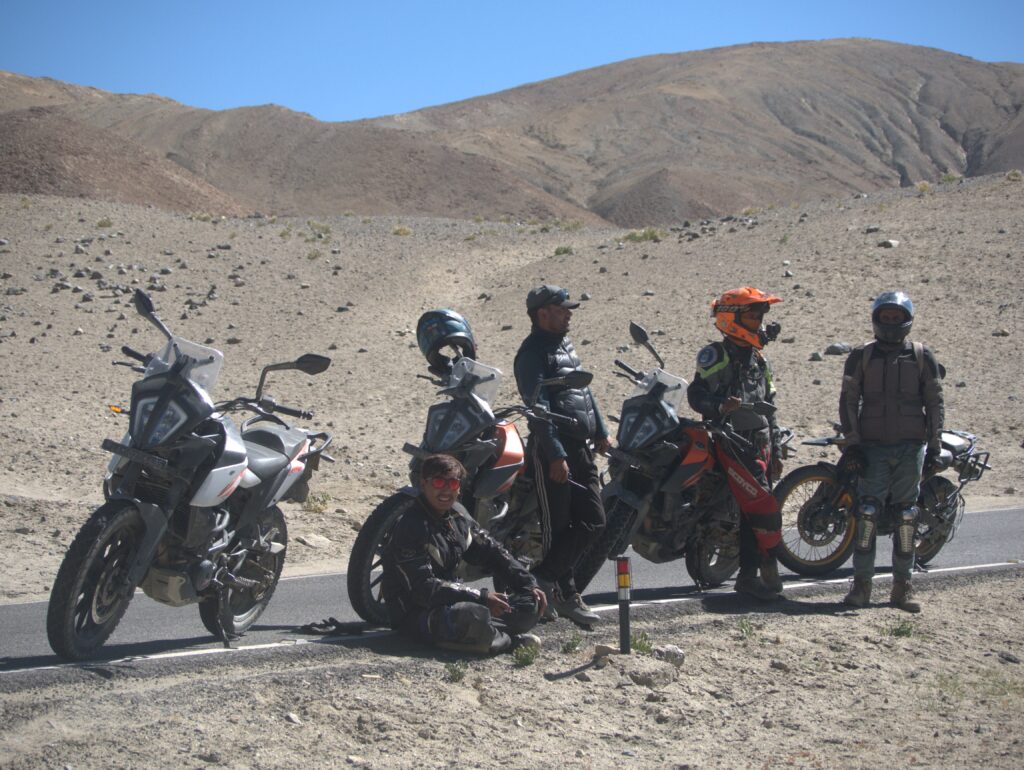
Essential Riding Gear
- Full-face helmet
- Armored riding jacket
- Riding pants or protective guards
- Waterproof riding gloves
- Riding boots with ankle protection
- Rain gear
Recommended Clothing
- Thermal base layers
- Fleece or insulated jacket
- Lightweight down jacket
- Quick-dry t-shirts
- Riding jerseys
- Warm socks
- Balaclava / neck warmer
- Comfortable off-bike clothing
Packing Tips
- Use waterproof luggage or dry bags
- Avoid overpacking
- Carry quick-dry clothing instead of heavy cotton
- Keep one warm layer easily accessible during rides
3. Toiletries & Travel Essentials
Remote Himalayan towns may not always stock international brands or specialty products, so carrying your essentials is advisable.
Personal Essentials
- Sunscreen (high SPF)
- Lip balm
- Moisturizer
- Wet wipes
- Hand sanitizer
- Quick-dry towel
- Reusable water bottle
- Toiletries kit
Travel Essentials
- Energy bars & snacks
- Electrolyte sachets
- Reusable cutlery / mug (optional)
- Small torch or headlamp
- Travel tissues
- Ear plugs for long rides
Mountain Weather Tip
High-altitude sunlight in the Himalayas is significantly stronger than many travelers expect — even during cold weather. Sunscreen and hydration are extremely important.
4. Electronics & Riding Accessories
Electricity availability and mobile coverage can vary in remote Himalayan regions.
Must-Carry Electronics
- Universal travel adapter
- Power bank
- Charging cables
- Fast charger
- Offline maps downloaded on phone
- Camera / GoPro equipment
- Spare batteries & memory cards
Riding Accessories
- Mobile phone holder
- Portable tyre inflator
- Puncture repair kit
- Basic motorcycle toolkit
- Luggage straps / bungee cords
SIM Card & Connectivity Tips
International roaming may not work reliably in remote mountain regions.
We strongly recommend purchasing a local Indian SIM card after arrival.
Recommended Networks
- Jio(Has wider network range even outsides major destination)
- Airtel(Has stronger network in cities & major destinations)
- BSNL (Works in some remote regions, where both the above networks are not availble)
Important Note
In certain protected border regions of India, only Indian postpaid SIM cards may function properly.
5. Medicines & First Aid
The Himalayas involve high-altitude travel where oxygen levels are lower than sea level.
Even healthy travelers can experience:
- Fatigue
- Headaches
- Mild altitude sickness
- Dehydration
- Sleep disturbances
Basic First Aid Kit
- Band-aids
- Antiseptic cream
- Gauze & tape
- Pain relief spray
- ORS / hydration salts
- Motion sickness tablets
Recommended Medicines
(Consult your doctor before use)
- Fever & pain relief medication
- Cold & flu medication
- Acidity medication
- Anti-diarrheal medicine
- Altitude-related medication if prescribed
Personal Medication
Carry:
- Sufficient quantity for the entire trip
- Prescriptions
- Waterproof storage
Health & Safety Recommendation
As we’ll be riding through high-altitude regions of the Himalayas, we recommend you consult your doctor before the trip to discuss preventive measures for high-altitude travel and to carry any prescribed medicines if required.
6. Pro Tips Before You Ride
Take Time to Acclimatize
Avoid rushing to high altitudes immediately after arrival.
Proper acclimatization helps reduce the chances of altitude sickness.
Ride Conservatively
Mountain roads in India differ significantly from highways in Europe, Australia, or North America.
Expect:
- Sharp blind corners
- Livestock on roads
- Gravel patches
- Sudden traffic conditions
Ride defensively and avoid over-speeding.
Avoid Night Riding
Visibility drops rapidly in the mountains and road conditions become more challenging after sunset.
Stay Hydrated
Cold weather often reduces thirst sensation, but dehydration at altitude can happen quickly.
Respect Local Culture
The Himalayas are culturally rich and spiritually significant regions.
Please:
- Respect local customs
- Dress appropriately in villages & monasteries
- Avoid littering
- Support responsible tourism
Keep Flexible Travel Plans
Weather delays, landslides, and road closures are common in mountain regions.
Keeping buffer days in your itinerary is always advisable.
Final Thoughts
A Himalayan motorcycle expedition is more than just a holiday — it’s an adventure through some of the most dramatic landscapes on Earth.
With the right preparation, mindset, and gear, your journey through the Indian Himalayas can become a once-in-a-lifetime experience filled with incredible roads, mountain passes, local culture, and unforgettable memories.
Prepare well, ride responsibly, and embrace the adventure with Adventure Heist.